
Tampa Dental Studio
Cosmetic Dentistry In Tampa, FL
At Tampa Dental Studio, our cosmetic dentistry services enhance the beauty of your smile while keeping it healthy. From porcelain veneers and professional teeth whitening to complete smile makeovers and Invisalign clear aligners, our team in Tampa, FL, helps you achieve a brighter, more confident smile that looks completely natural.
Book An AppointmentWhat Is Cosmetic Dentistry?
Cosmetic dentistry focuses on improving the appearance of your teeth, gums, and overall smile. At Tampa Dental Studio, we use artistry and advanced techniques to correct stains, chips, gaps, misalignment, and other imperfections — creating results that look natural and complement your facial features.



Is Cosmetic Dentistry Right for You?
If you feel self-conscious about discolored, chipped, uneven, or misaligned teeth, cosmetic dentistry can help. Treatments range from quick enhancements like professional whitening to transformative options such as veneers and clear aligners.
During a consultation, we listen to your goals and design a personalized plan to achieve the smile you've always wanted. Many of our cosmetic treatments also support better oral health, making it easier to keep your smile clean and strong for years to come.
Book an AppointmentOur Services
Cosmetic Dentistry Services at Tampa Dental Studio in FL

Veneers
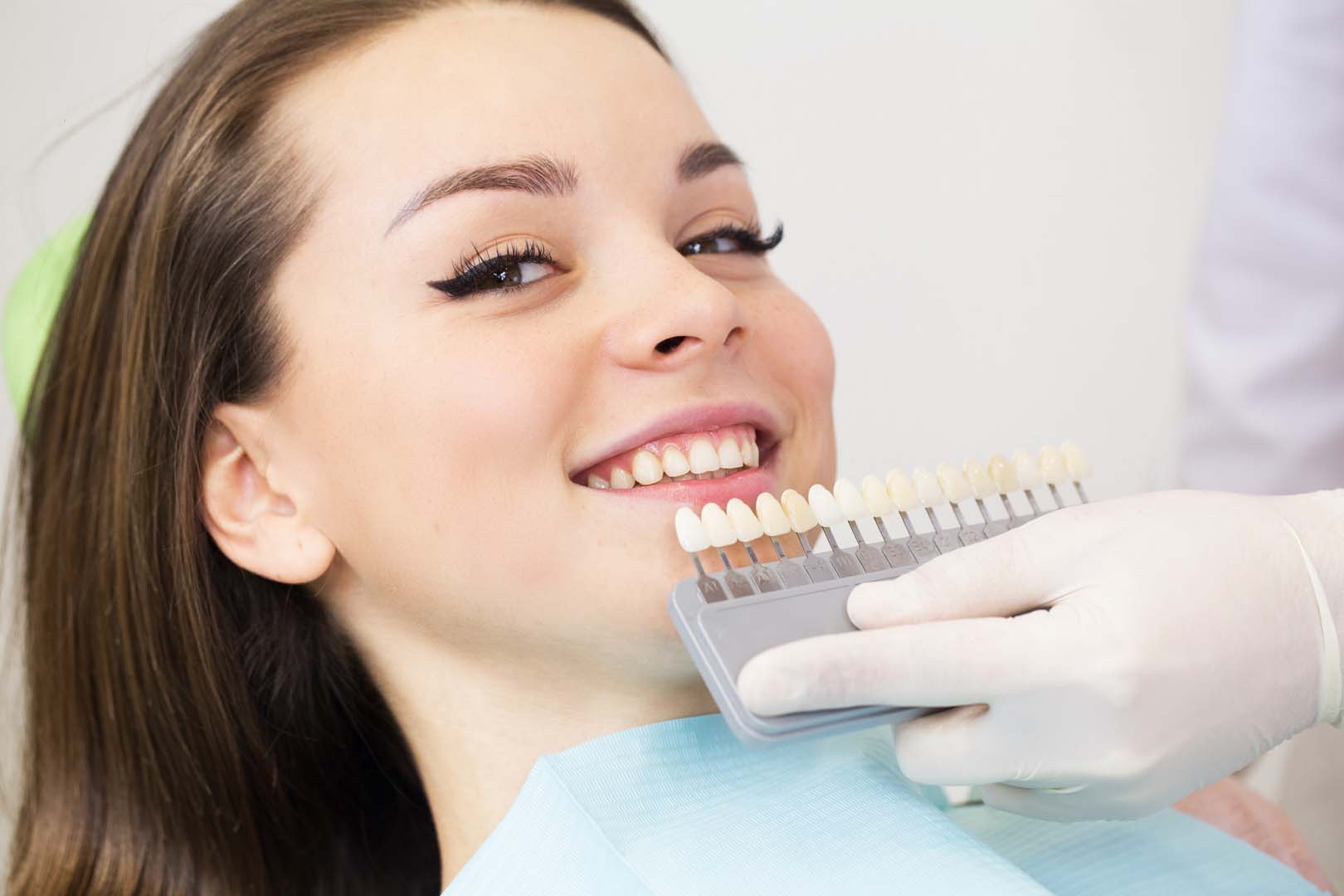
Porcelain veneers are thin, custom-made shells bonded to the front of your teeth to correct stains, chips, gaps, and shape, creating a flawless, natural-looking smile.

Smile Makeovers
A smile makeover combines multiple cosmetic treatments into one personalized plan, transforming the overall look of your smile to match your unique goals.

Teeth Whitening
Professional teeth whitening safely removes stubborn stains and discoloration, brightening your smile by several shades for a fresh, radiant look.
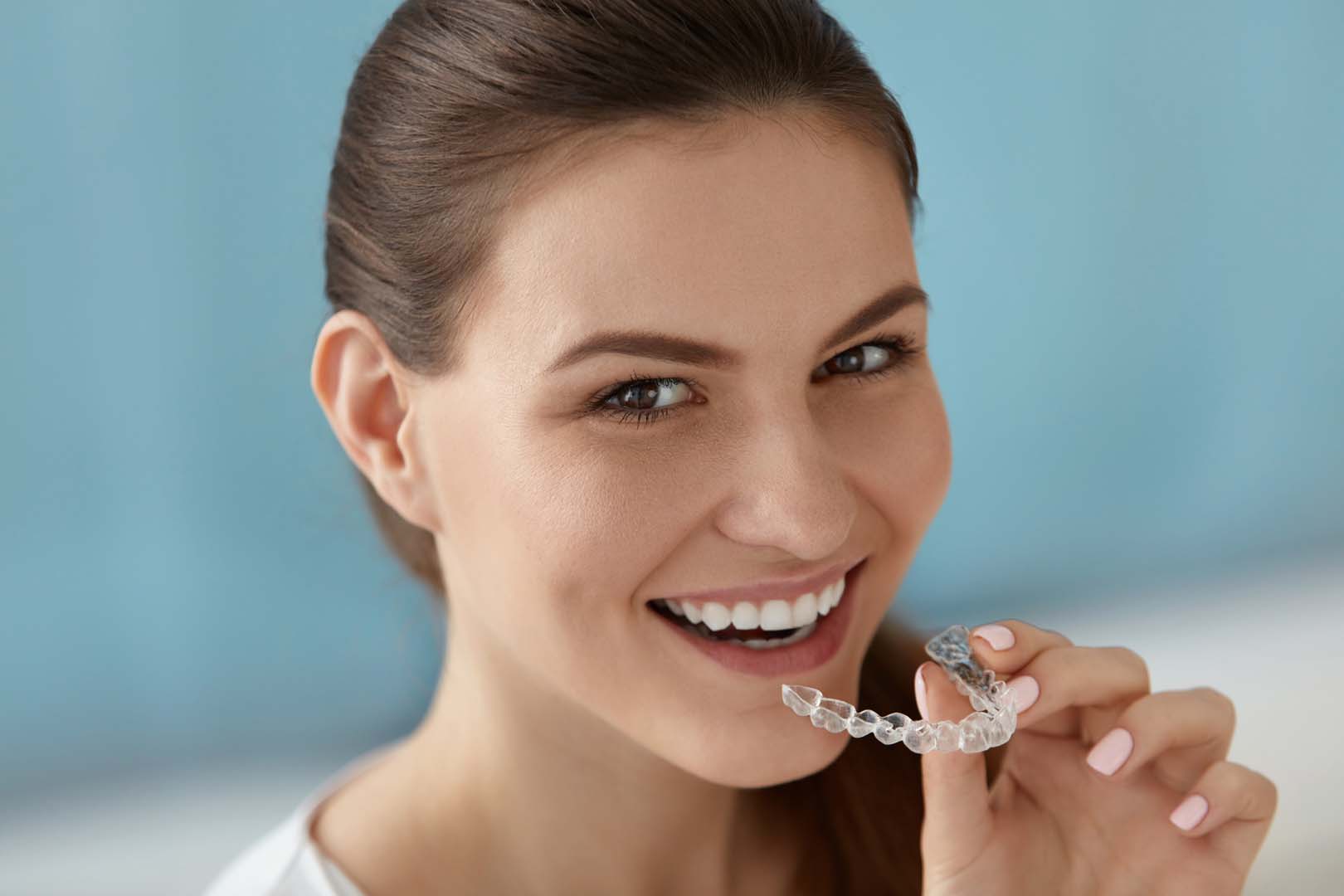
Invisalign & Clear Aligners
Invisalign and clear aligners straighten your teeth discreetly using a series of comfortable, removable trays — no metal brackets or wires required.
Meet Our Dental Team
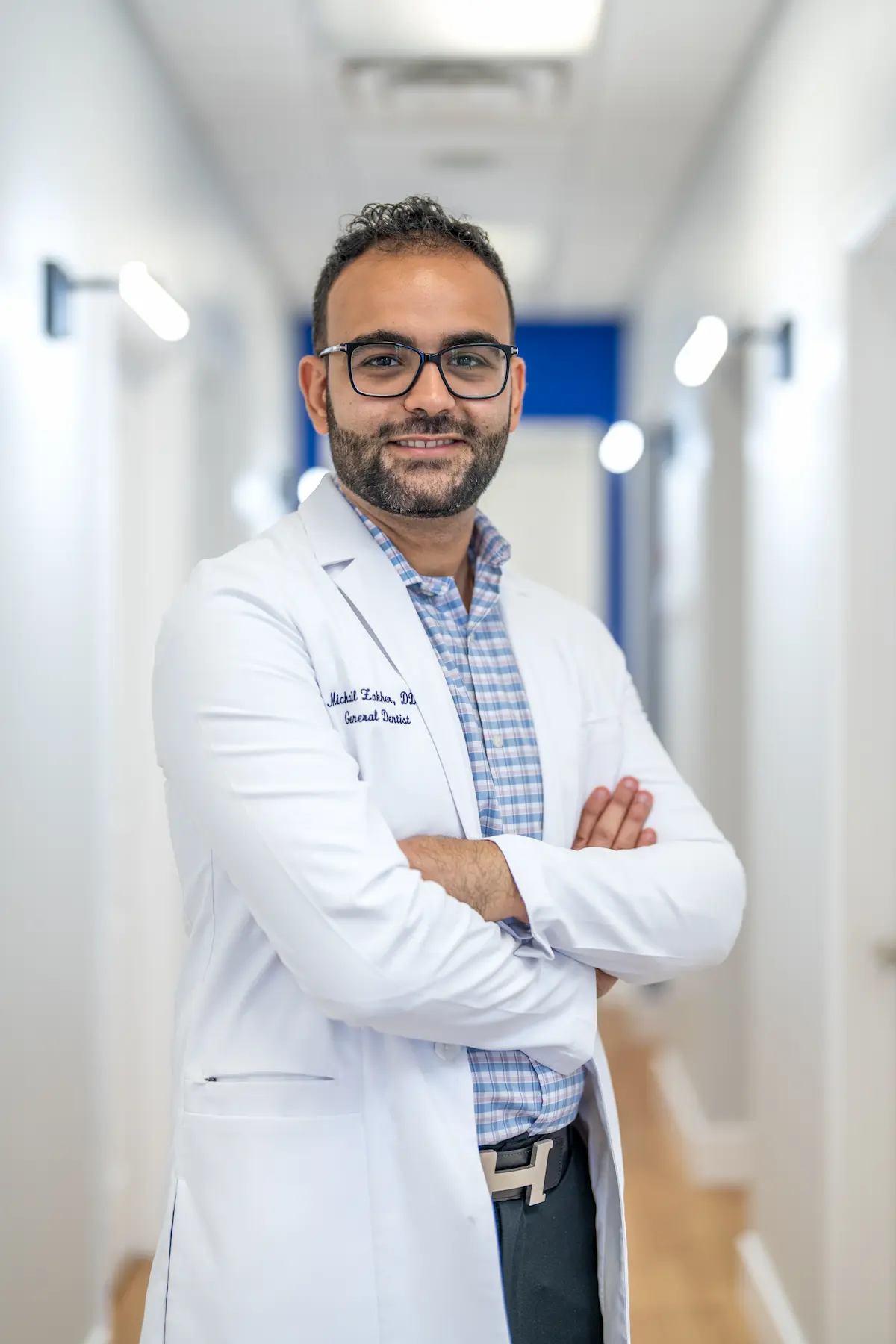
Dr. Michail Zakher, DDS
"My mission and my team's mission is to make a difference in a patient's life. We care deeply about our patients and what we do to help them maintain dental health for a lifetime."
Education & Certifications
- •Touro College of Dental Medicine, NYMC
- •University of South Florida-Tampa, Bachelor of Biomedical Sciences
- •Socket Preservation and Guided Tissue Regeneration Certified
- •Dental License in Connecticut and Massachusetts
- •Implantology Certified
- •Dental Laser Certified
Professional Memberships
- •Greater Pasco Chamber of Commerce
- •American Dental Association (ADA)
- •Florida Dental Association (FDA)
Life and Hobbies
Dr. Zakher is involved in church, and community service events. He enjoys cooking, and spending quality time with family and friends.
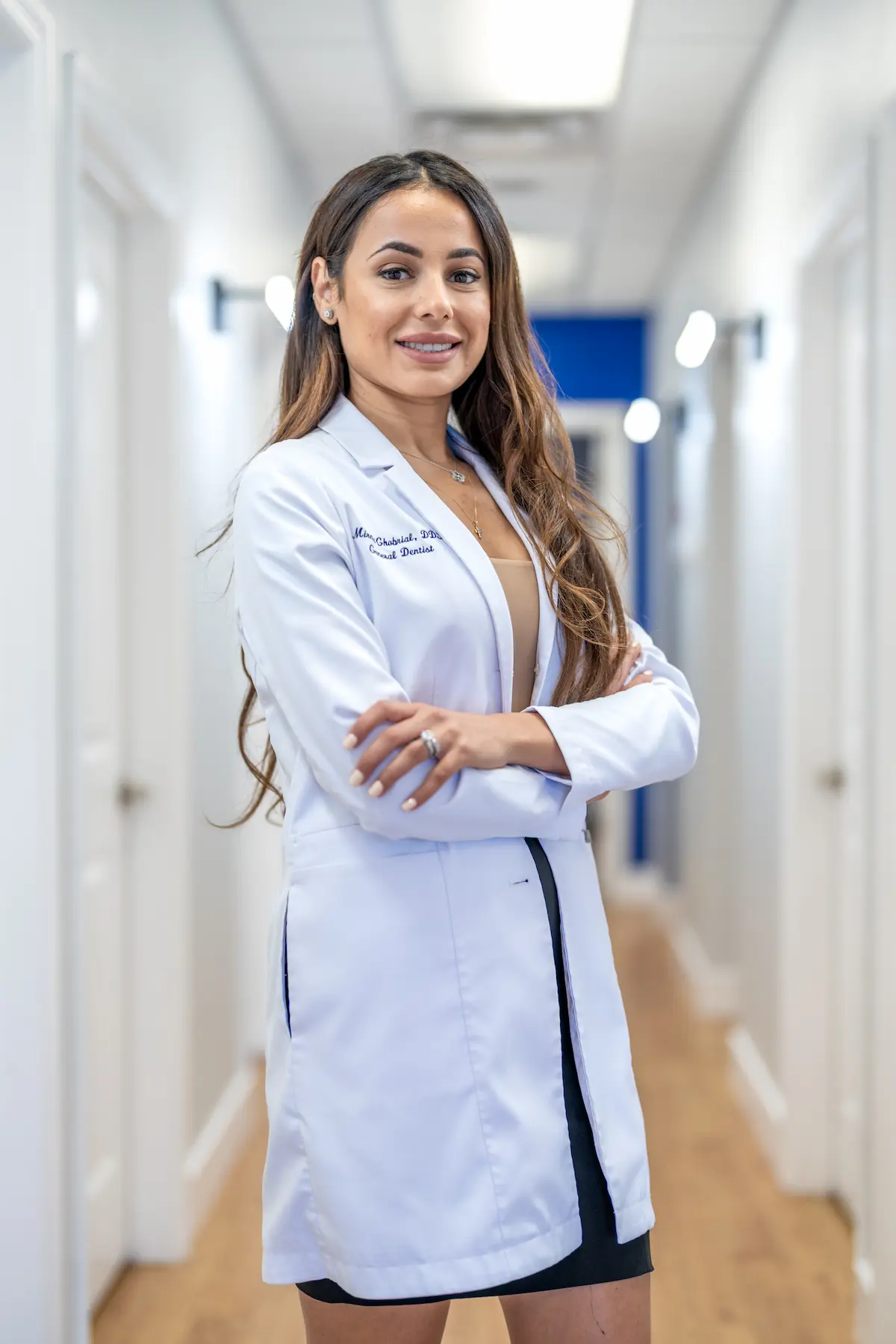
Dr. Mirna Ghobrial, DDS
Dr. Ghobrial decided to pursue a career in dentistry because she would be able to make a significant impact in someone's life by providing them with the healthy smile they always wanted. She wants her patients to feel confident about putting their best smiles forward.
Education & Certifications
- •Touro College of Dental Medicine, NYMC
- •University of South Florida-Tampa, Bachelor of Biomedical Sciences
- •Clinical Excellence and Professionalism award by Touro College of Dental Medicine
- •Dental Laser Certified
- •Botulinum Toxin and Dermal Fillers Certified
Professional Memberships
- •Greater Pasco Chamber of Commerce
- •American Dental Association (ADA)
- •Florida Dental Association (FDA)
Why Us
Why Choose Tampa Dental Studio for Cosmetic Dentistry?
Tampa Dental Studio helps patients across Tampa, FL, love the way they smile. Here's what sets our cosmetic care apart:
Personalized Smile Design
We tailor every treatment to your goals and facial features for results that look natural and uniquely yours.
Natural-Looking Results
High-quality materials and meticulous artistry ensure your enhanced smile looks beautiful and authentic.
Advanced Technology
Modern tools and techniques deliver precise, comfortable, and predictable cosmetic outcomes.
Comfortable Experience
We create a relaxing, welcoming environment so every visit is a positive one.
Your dream smile is closer than you think with our cosmetic dentistry team.
Transform Your Smile Today!
Ready for a brighter, more confident smile? Tampa Dental Studio offers a full range of cosmetic treatments tailored to your goals. Contact us today or schedule your consultation online to start your smile transformation in Tampa, FL.
Book An AppointmentQuestions
Frequently Asked Questions (FAQs)
Dental Financing Options at Tampa Dental Studio
Care Credit
Designed specifically for healthcare related expenses like cosmetic dentistry, Care Credit offers financing plans that feature:
- 0% interest rates
- Low monthly payments.
- No annual fees, setup costs, or prepayment penalties.
- Plans can be spread from 3 to 60 months.
- Cover any health care-related expense: from $1 to $25,000.
Cherry Financing
- Patients can access for 0% financing for higher credit scores
- 500 credit score minimum
Contact Us today to learn more about Care Credit and Cherry and how it can help you manage your treatment costs at our Tampa Bay dental clinic.












Locating Tampa Dental Studio in Tampa, FL
Office Hours
Send Us a Message
Thank You!
Your message has been sent — a member of our team will be in touch shortly.
For urgent matters, call us at (813) 324-5551.