


Tooth extractions are common dental procedures to protect oral health and prevent complications from severely damaged or problematic teeth. Whether your dentist has recommended removing a tooth due to infection, overcrowding, or trauma, understanding what to expect during a tooth extraction can help you physically and mentally prepare for the procedure.
At Tampa Dental Studio, our dental team ensures that each patient receives personalized care, intending to make the process as comfortable and smooth as possible. Here is a step-by-step guide to help you understand the procedure and recovery journey.
Why a Tooth Extraction May Be Necessary
Dentists recommend extractions only when other restorative options are no longer viable. Common reasons include:
- Advanced tooth decay or infection: When root canal treatment or fillings are no longer sufficient.
- Periodontal disease: Severe gum disease may weaken teeth to the point that they require removal.
- Impacted wisdom teeth: These can lead to pain, crowding, and an increased risk of infection.
- Orthodontic needs: Removing teeth may create necessary space for proper alignment.
- Fractured or damaged teeth: Trauma or injury may cause irreparable damage.
Each case is carefully assessed with X-rays and diagnostic tools to ensure extraction is the best option for long-term oral health.
Preparing for Your Tooth Extraction
Preparation plays an important role in ensuring the procedure is performed safely. Before your extraction, your dentist at Tampa Dental Studio will:
- Conduct a thorough clinical and radiographic evaluation to plan the safest approach.
- Review your complete medical history, including chronic conditions, medications, or allergies.
- Discuss anesthesia and sedation options tailored to your comfort level.
- Provide pre-procedure instructions, which may include fasting if sedation will be used.
Clear communication at this stage helps reduce risks and ensures you feel confident about the upcoming procedure.
Step-by-Step Procedure: What to Expect During a Tooth Extraction
-
Administration of Anesthesia
Before starting the extraction, your dentist will administer local anesthesia to numb the targeted area. This ensures that you remain pain-free and comfortable throughout the procedure. You may still feel slight pressure or movement as the dentist works, but you should not feel pain. For more complex cases or patients with anxiety, sedation options such as nitrous oxide or oral sedation may be offered. The dentist will always confirm numbness before proceeding to ensure maximum comfort and safety.
-
Loosening the Tooth
Once the area is fully numb, the dentist begins loosening the tooth. This is done gently using a dental tool called an elevator. The instrument helps detach the tooth from the periodontal ligament and surrounding bone by applying controlled pressure. This process is done slowly and carefully to minimize trauma to the surrounding tissues. Loosening is essential to make the actual removal process easier and reduce the risk of tooth fracturing during extraction.
-
Removing the Tooth
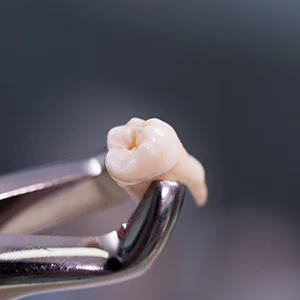
After the tooth has been sufficiently loosened, the dentist will carefully remove it using forceps. For most extractions, this is straightforward. However, if the tooth is impacted, broken, or otherwise difficult to remove, it may need to be sectioned into smaller parts to facilitate safe extraction. Throughout this process, the dentist will ensure you remain comfortable and protect your surrounding bone and tissue. The entire extraction is done methodically to reduce complications and promote smooth healing.
-
Cleaning and Managing the Socket
Once the tooth is removed, the dentist will inspect the empty socket to ensure no debris or infection risk remains. The area is gently cleaned; sometimes, a small amount of bone graft material may be placed to preserve bone integrity for future dental work. Gauze will be positioned to manage bleeding and promote clot formation, vital for healing. Dissolvable sutures will be placed to close the site and enhance tissue recovery if necessary.
After the Extraction: What to Expect During Recovery
- Immediate Numbness: After the procedure, the area will remain numb for a few hours. Avoid eating or drinking hot foods or beverages until sensation returns to prevent accidental injury.
- Mild Bleeding: Some bleeding is normal for the first few hours. Your dentist will provide gauze to bite down on to help form a protective blood clot. Change gauze as directed.
- Swelling and Discomfort: Swelling typically peaks within 24 to 48 hours. Apply ice packs on the outside of the face in 15–20 minute intervals during the first day to help reduce swelling.
- Pain Management: Over-the-counter pain relievers or prescribed medications can help manage discomfort. Always follow your dentist’s dosage instructions to ensure safe and effective relief.
- Dietary Adjustments: Stick to soft, cool foods for the first few days. Avoid hard, crunchy, spicy, or hot foods that could irritate the extraction site or dislodge the blood clot.
- Oral Hygiene: Resume brushing and flossing gently the day after extraction, but avoid the extraction site. Use saltwater rinses after meals to keep the area clean, as your dentist advises.
- Activity Restrictions: Rest and avoid strenuous activities for at least 24 hours to reduce bleeding risk and support healing. Elevate your head when lying down to minimize swelling.
- Avoid Harmful Habits: Do not smoke, drink alcohol, or use straws for at least 3–5 days after the extraction. These actions can dislodge the clot and lead to complications like dry socket.
- Monitor for Complications: While mild discomfort and swelling are normal, contact your dentist if you experience severe pain, excessive bleeding, fever, or signs of infection during recovery.
- Follow-Up Care: Attend scheduled follow-up appointments so your dentist at Tampa Dental Studio can check healing progress and discuss any further treatments, such as tooth replacement options, if needed.
Aftercare and Recovery Tips
To promote proper healing and minimize complications such as dry socket:
- Keep gauze in place as instructed to support clot formation.
- Apply ice packs in intervals for the first 24 hours to reduce swelling.
- Take medications as prescribed, especially antibiotics if given.
- Follow a soft diet: Include yogurt, soups, and smoothies.
- Avoid straws, smoking, and vigorous rinsing to protect the healing clot.
- Resume gentle oral hygiene, avoiding the extraction site directly for the first few days.
Following your dentist’s detailed aftercare instructions will support a healthy recovery.
Signs You Should Contact Your Dentist
While most extractions heal uneventfully, seek prompt dental care if you experience:
- Persistent or heavy bleeding
- Severe or worsening pain
- Signs of infection (fever, discharge, or swelling)
- Delayed healing or dry socket symptoms (persistent dull ache or exposed bone)
Early intervention helps prevent complications and ensures optimal healing.
How Long Does Recovery Take?
While mild discomfort may last a few days, soft tissue healing usually completes within 1–2 weeks. Bone remodeling and complete closure of the socket can take several months. Your dentist will monitor your healing during follow-up visits and discuss any further treatment if necessary, such as dental implants or bridges to replace the extracted tooth.
Why Trust Tampa Dental Studio for Tooth Extractions
At Tampa Dental Studio, we understand that tooth extraction can be a daunting experience. Our focus is on:
- Clinical Expertise: Our team uses the latest techniques and tools to ensure safe, minimally invasive extractions.
- Patient-Centered Care: We offer personalized sedation and aftercare options to ensure comfort.
- Comprehensive Dental Services: We support you throughout your dental journey from diagnosis to tooth replacement solutions.
- Trusted Local Providers: Patients in Tampa choose us for our compassionate, transparent approach to dental care.
We are committed to ensuring you feel supported before, during, and after your procedure.
Conclusion
Knowing what to expect during a tooth extraction can ease anxiety and help you prepare for the procedure and recovery. At Tampa Dental Studio, our experienced team combines skill, technology, and compassionate care to make every step straightforward and comfortable.
Ready to take the next step?
If you need a tooth extraction or want a second opinion, we are here to help. Contact us today to schedule your consultation and take the next step toward better oral health.
FAQs
Will I feel pain during the extraction?
No, anesthesia ensures that you do not feel pain during the procedure, though some pressure may be noticeable. If needed, sedation options can help you feel more relaxed.
When can I resume normal activities?
Rest is recommended on the day of the extraction. Most patients return to normal activities within 1–2 days, but heavy physical exertion should be avoided for a few days.
Can I brush my teeth after a tooth extraction?
Yes, but avoid brushing the extraction site for at least 3 days to prevent disrupting the healing process.
Is replacing the extracted tooth necessary?
In many cases, replacing the tooth is recommended to prevent the shifting of other teeth and maintain proper bite function. Your dentist can discuss suitable options, such as implants or bridges.
Bibliography & Sources


